

South Korea Customs Prohibited Items: What Not to Send in a Parcel
2026.11.14
Your mom is packing your winter coat and a few books, and she wants to tuck in a block of cheese and your usual cold medicine. Please stop her there: livestock products and some medicines are among the south korea customs prohibited items that cause the most trouble in family parcels.
This guide lists what must not go in the box, what is restricted, and what you can send freely. It is based on Korea Customs Service (KCS) rules, and customs decides each case.
At a glance
- Meat, ham, sausages, jerky, milk and cheese cannot enter without a quarantine certificate from the exporting country’s government.
- Cold medicines, sleeping pills and diet pills can contain ingredients that count as narcotics in Korea. KCS names family parcels as an illegal route.
- Soil, most fresh fruit, and seeds or seedlings for planting are banned or need quarantine approval.
- KIMFAST does not accept food, medicines, supplements, alcohol, tobacco, meat or dairy as gifts or personal items. Clothes, books, kitchen and hobby items are welcome.
South Korea customs prohibited items: the short list
Some goods are banned outright. Others are allowed only with a certificate, a permit or a formal import declaration. Here is how the main groups compare.
| Item | Rule in Korea |
|---|---|
| Meat, ham, sausages, jerky, milk, cheese | Not admitted without an export-country government quarantine certificate |
| Medicines with narcotic or psychotropic ingredients | Treated as drug smuggling when sent by parcel |
| Soil and plants with soil | Prohibited |
| Most fresh fruit | Banned |
| Seeds and seedlings for planting | Need approval within set quantities |
| Food, supplements, medicines, alcohol, tobacco | No list clearance; import declaration needed |
| Counterfeit goods | No list clearance |
| Firearms, swords, replica guns, stun guns | Police checks and permits needed |
| Protected wildlife (CITES) products | Restricted, permits needed |
KCS also bans material harmful to public security or morals and counterfeit currency. The official overview is on the KCS postal clearance page.
Note Items not covered here, such as batteries or cash, are outside this guide. Ask us on KakaoTalk before you pack anything you are unsure about.
Meat, dairy, fruit, soil and seeds
South Korean customs food restrictions are strictest for animal and plant products, because they can carry diseases and pests. These rules come from quarantine law, not only customs.
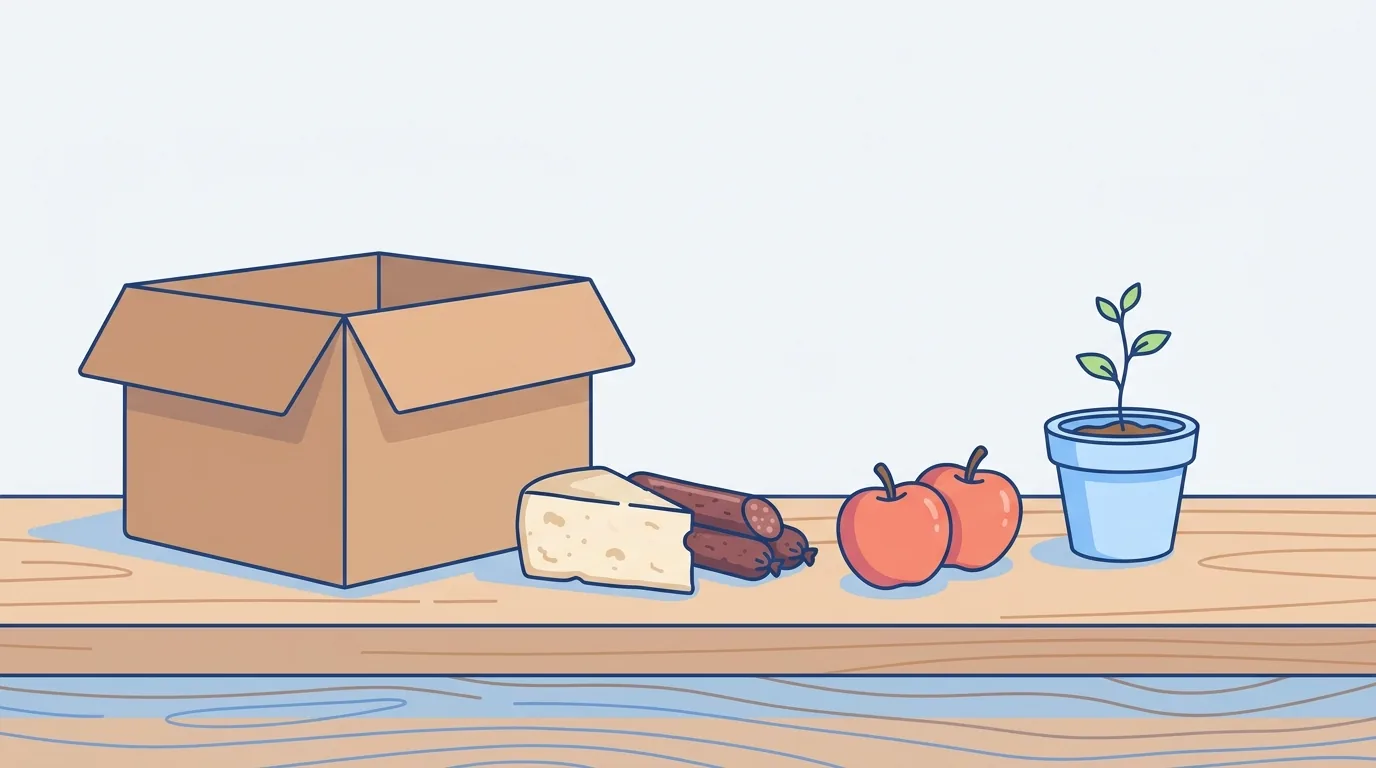
- Livestock products: meat, ham, sausages, jerky, milk and cheese need a quarantine certificate issued by the exporting country’s government. Goods from banned areas cannot be imported at all.
- Inspection: livestock products that arrive by mail or courier must be reported and inspected.
- Soil: soil and plants with soil attached are prohibited.
- Fresh fruit: most fresh fruit is banned.
- Seeds and seedlings: plants for planting or propagation need approval within set quantities.
A homemade sausage or a wedge of cheese from the local shop will not come with a government certificate. So in practice, leave them out. The Korean embassy notice on meat and animal products and Incheon Airport’s animal and plant quarantine page explain the same rules for travelers.
Note Garden seeds, a potted herb or a bag of fruit from the backyard tree are kind thoughts, but they belong on this do-not-send list.
Medicines with narcotic ingredients: a serious risk
This is the point families most often miss. Common cold medicines, sleeping pills and diet pills may contain ingredients classified as narcotics or psychotropics in Korea, even when they are sold freely at home.
KCS explicitly lists family or acquaintances in the home country sending such medicines to a foreigner (a student or worker) living in Korea as an illegal route.
- Bringing them in, whether sold abroad or prescribed in Korea, is treated as drug smuggling.
- The only exception is carrying them in person for your own treatment, with prior approval from the Ministry of Food and Drug Safety.
- Penalties are heavy: for codeine or morphine, life imprisonment or 5 years or more; for alprazolam or zolpidem, up to 10 years or a fine of up to ₩100 million.
Note If you need a medicine in Korea, talk to a doctor here. Please don’t ask family to post it, and KIMFAST does not accept medicines as gifts or personal items.
Restricted goods: import declaration, counterfeits and weapons
Most parcels for personal use clear through list clearance (KCS: Import Declaration by Item List). The express company files a list and no separate declaration is needed. Some goods are excluded from it and need an import declaration, which takes longer.
- Food in general — personal-use guide of 5 kg per item for others.
- Health supplements — up to 6 bottles in total count as personal use; ingredients banned by the Ministry of Food and Drug Safety cannot be cleared.
- Medicines — up to 6 bottles in total; medicines prone to misuse only in the quantity of a Korean doctor’s prescription.
- Alcohol — 1 bottle (1 L or less); liquor tax and education tax always apply.
- Tobacco — for example 200 cigarettes; individual consumption tax and tobacco consumption tax apply.
- Some cosmetics — functional, placenta, steroid and unknown-ingredient cosmetics.
- Counterfeit goods — excluded from list clearance.
- Firearms, swords, replica guns, stun guns — need police checks and permits.
The KCS express cargo clearance page and the KOTRA customs clearance guide list the excluded goods.
Note Perfume is fine with KIMFAST. We accept it and ship it as declared dangerous goods for ₩20,000 per request. Customs treats 60 ml as a personal-use amount.
What can I send to South Korea? Pack this instead
Your own things are exactly what KIMFAST is for. Family or friends send the parcel inside their country to your KIMFAST address there, and we bring it to Korea, clear customs and deliver it to your door.
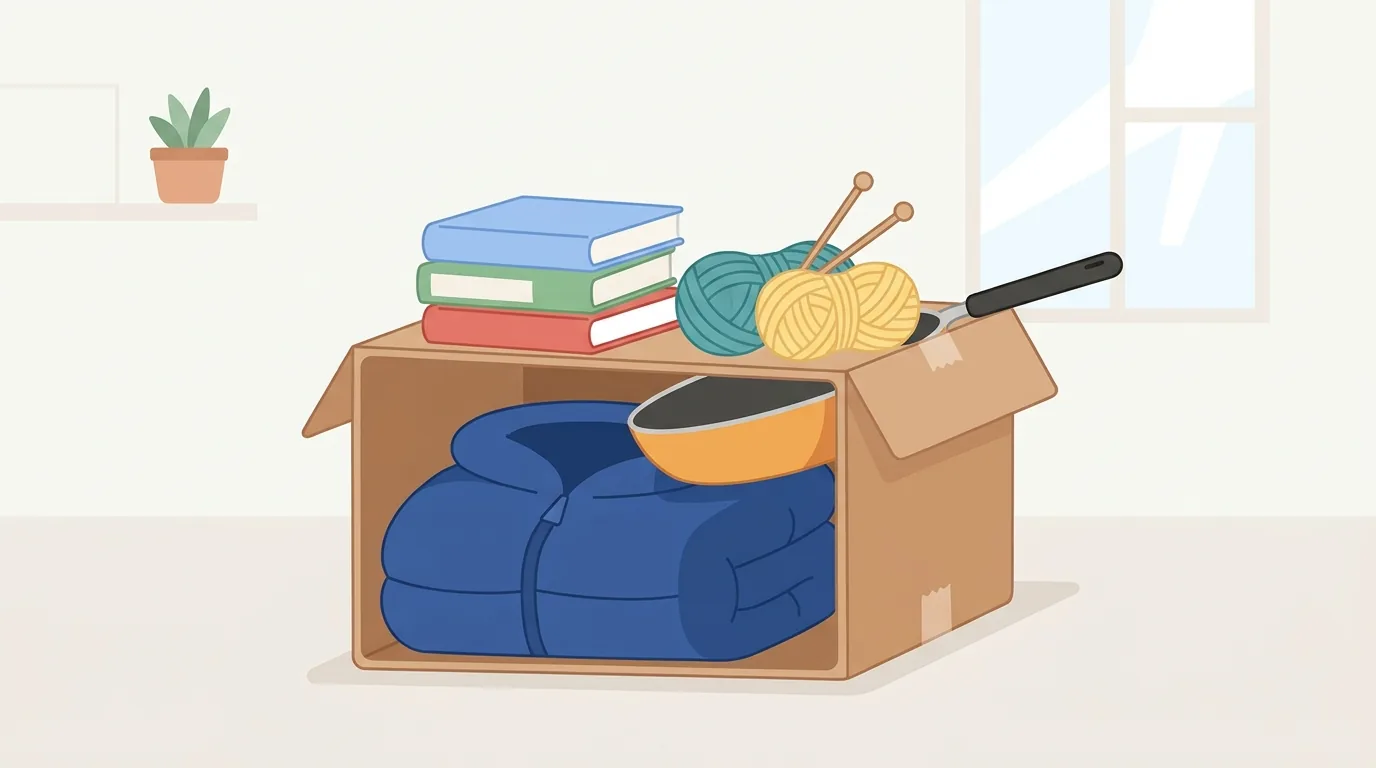
- Next season’s clothes, shoes and coats
- Books, notebooks and photo albums
- Kitchen tools, mugs and favorite pans
- Hobby items: yarn, sports gear, board games, instruments
- Gifts and online orders, new or used
Used personal items follow the same personal-use rule as gifts: goods priced at USD 150 or less are free of duty and VAT, and customs judges the value of used items. Details are in our Korea duty-free limit guide.
Before the parcel leaves home, run through this checklist:
- Get your Personal Customs Clearance Code (PCCC). KIMFAST asks every customer for one, gifts included.
- Use your name, phone number and postal code exactly as registered for the PCCC.
- Check the PCCC is still valid. Since 2026 it lasts 1 year and can be renewed within 30 days before or after expiry.
- Remove every item from the lists above.
- Write an honest list of contents and values in your shipping request.
What if something is wrong? If the recipient name, number or address doesn’t match, the parcel can drop out of list clearance and need a formal import declaration, which takes more time. Update your PCCC details and chat with us on KakaoTalk so we can help with the next step.
Note Prices, addresses and common questions are on our FAQ page. Country pages such as the US and the UK show the full rate tables.
Frequently asked questions
Can my family send me cheese or sausages from home?
Not in practice. Korea does not admit meat, ham, sausages, jerky, milk or cheese without a quarantine certificate from the exporting country’s government, and KIMFAST does not accept meat, dairy or other food as gifts or personal items.
Is it safe to send my regular cold medicine?
No. Cold medicines, sleeping pills and diet pills may contain ingredients classed as narcotics in Korea, and KCS names family parcels to foreigners as an illegal route. See a doctor in Korea instead.
Can I send perfume to South Korea with KIMFAST?
Yes. KIMFAST accepts perfume and ships it as declared dangerous goods for ₩20,000 per request. Customs treats 60 ml as a personal-use quantity.
What happens if a restricted item is in my parcel?
Goods like food, supplements, medicines, alcohol and tobacco cannot use list clearance and need an import declaration, which takes longer. Banned items such as livestock products without a certificate can be refused, so leave them out before packing.
Do used clothes and books have customs limits?
They follow the same rule as gifts: personal-use goods priced at USD 150 or less are free of duty and VAT. Customs judges the value of used items; there is no fixed depreciation table.
shipping price
No sign-up needed. See your price right away.
Check shipping cost